

[ Get a Demo ]
Ready To See AVA in Action?
See exactly how our AI Voice Agent can be customized for your business. Book a free, no-obligation walkthrough today.
Pick your industry and we'll send you the playbook: real use cases in production and the ROI numbers (no-shows recovered, after-hours leads captured, hours saved).

Drop your details and AVA will call your phone within a minute, with a script tailored to your industry. You'll hear exactly how she'd handle one of your customers.
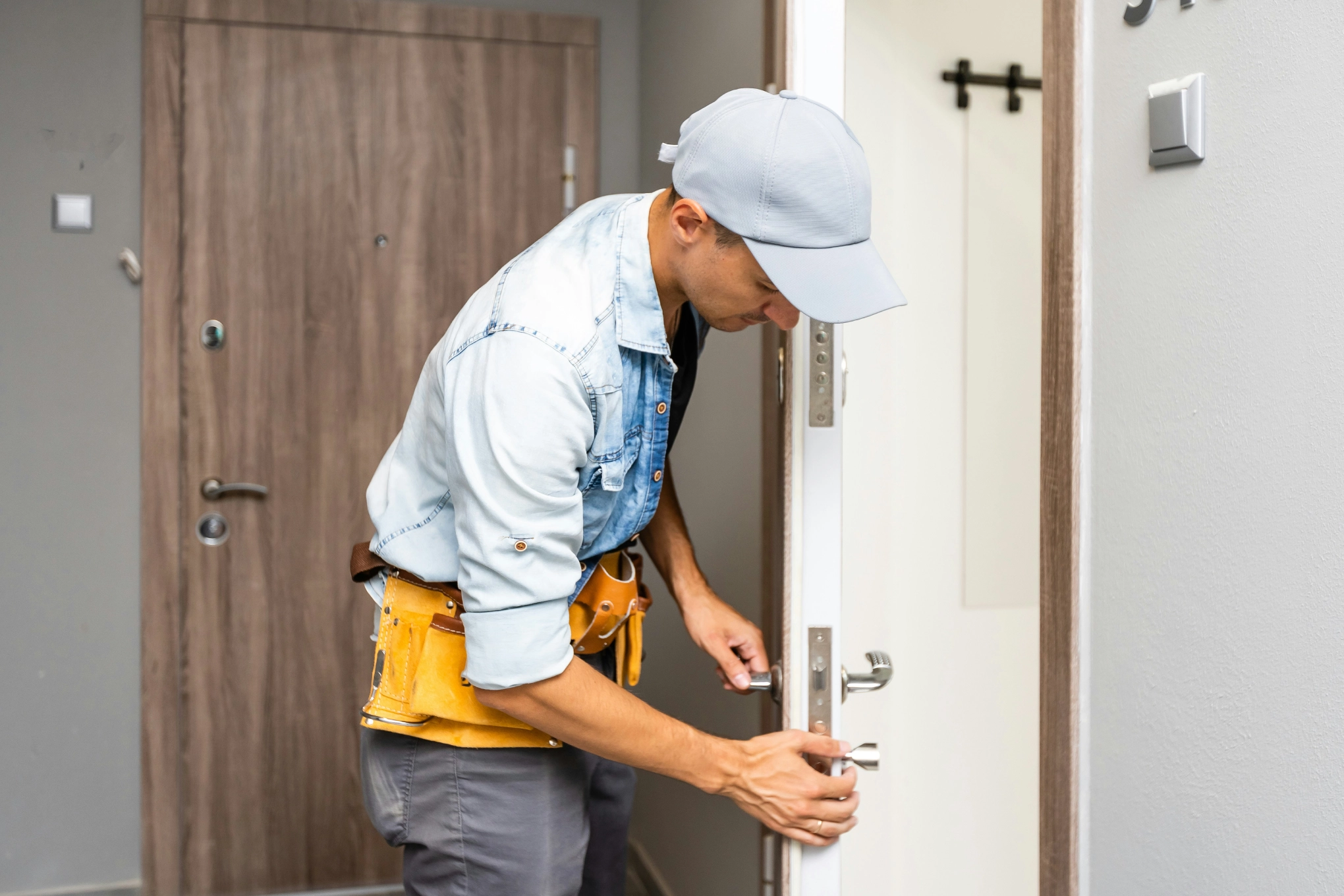
Nobody calls a locksmith to browse. They call because they're standing outside a locked door, a car, or a business, usually stressed, sometimes at 2 AM, and almost always ready to hire whoever picks up the phone first. That single fact makes locksmithing one of the few trades where the phone answer, not the website, not the reviews, and not even the price, is what actually decides who gets the job.
This guide covers what a locksmith answering service needs to do well, what separates a genuinely useful one from a generic call center, and where the industry's biggest trust problem, fake locksmith listings and bait-and-switch pricing, actually works in favor of a business that answers professionally and consistently every time.
Most home service industries have a mix of urgent and non-urgent calls. Locksmithing skews heavily toward urgent. A lockout doesn't wait for business hours, and the person calling isn't comparing three quotes over the next few days. They're calling one number, and if nobody answers within a ring or two, they're calling the next one.
This changes the math on missed calls entirely. A missed call for a landscaper might mean a delayed estimate next week. A missed call for a locksmith usually means the job is already gone, often within minutes, to whichever competitor's line happened to be free.
Anyone who's searched "locksmith near me" has run into it: a wall of nearly identical listings, many run by dispatch centers with no actual local presence, quoting a suspiciously low price over the phone and then charging far more once a technician arrives. This bait-and-switch pattern is widespread enough that consumer protection agencies have issued specific warnings about it, and it's left many callers genuinely wary before they even dial.
That wariness is actually where a professional, consistent phone experience pays off disproportionately for a legitimate locksmith. A caller who gets a calm, knowledgeable answer, a clear explanation of pricing structure, and confirmation of a real local technician is far more likely to trust that business over one that sounds like a call center reading from a script with no specifics. An AI answering service built correctly reinforces that trust rather than undermining it, since it can consistently deliver accurate, business-specific information instead of the vague, evasive answers callers have learned to associate with scam operations.
Distinguish between residential, commercial, and automotive calls immediately. Each category needs different intake questions. A residential lockout needs an address and lock type. A commercial call might involve a break-in and needs urgency flagged differently. An automotive lockout needs the vehicle's make, model, and year, since transponder keys and modern fob systems require different tools and sometimes a dealership-level programming capability many locksmiths don't offer.
Ask the right technical questions upfront. Whether it's a standard pin-tumbler lock, a smart lock, a high-security commercial system, or a vehicle with an immobilizer chip changes both the quote and which technician should be dispatched. Getting this right on the call, rather than discovering it on-site, avoids the wasted trip and the frustrated customer.
Give honest, specific pricing guidance rather than a lowball hook. Given how much damage bait-and-switch pricing has done to the industry's reputation, a caller who's told "opening a standard residential lock typically runs in this range, and we'll confirm before any work begins" builds more trust than an artificially low number that changes on arrival.
Prioritize based on real urgency, not just call order. A parent locked out with a child inside the vehicle is a different priority than someone locked out of a storage unit. The system needs to recognize genuine emergencies and either dispatch immediately or route the call to a live technician without delay.
Capture location precisely. For a mobile trade, a vague address costs real time. Confirming cross streets, landmarks, or exact GPS location before dispatch avoids technicians driving in circles.
It's 11:45 PM on a Friday. Someone's locked their keys in their car outside a restaurant that's about to close. The call gets answered on the first ring, not the fourth. The system asks for the vehicle's make, model, and year, confirms whether it uses a traditional key or a fob, gets the exact location, and gives a rough arrival window before ending the call. The customer isn't left wondering whether they even reached a real business. A technician gets the job details before they've even started the drive.
Compare that to the more common outcome across the industry: the call goes unanswered because the sole technician is mid-job, the customer leaves no message because lockout calls rarely do, and they're already dialing the next name on the search results page before the first locksmith's phone stops ringing.
Most locksmith operations run lean, often a single technician or a small crew, which means the person best positioned to answer the phone is frequently the same person elbow-deep in a lock cylinder on another job. This is the exact bottleneck that turns a strong technician into a business that's constantly losing calls it never even knew it lost, since lockout customers rarely leave voicemails.
An answering system that operates independently of whether a technician is available closes that gap entirely. The call gets answered and the job details captured regardless of what's happening on the current job, and the technician gets a clear, prioritized job queue instead of a list of missed calls with no way to know how many were genuine emergencies.
Locksmith businesses running more than one technician face a dispatch problem beyond simply answering the call: matching the job to whichever technician is actually closest and equipped for that specific lock type. A system built for this can route calls based on service area and technician specialty, rather than requiring a dispatcher to manually check who's free and where, which matters most during the exact peak periods, nights, weekends, and holidays when call volume is highest and staff availability is lowest.
Not every locksmith call is an emergency. Rekeying, lock upgrades, and commercial security consultations are typically scheduled in advance, and these appointments benefit from the same kind of automated appointment reminders that reduce no-shows across other service trades, freeing a technician's calendar from gaps caused by forgotten appointments.
Certain calls genuinely need a person: a commercial client negotiating a security system contract, a dispute over a previous job's pricing, or a break-in situation where the caller needs real reassurance beyond a structured set of intake questions. The better systems are built to recognize these situations and hand the caller off to a live team member with the relevant details already gathered so nothing gets lost and the customer isn't repeating themselves to someone new.
Emergency lockout jobs typically carry premium after-hours pricing, and a single missed call during a busy weekend night can represent more lost revenue than several routine rekey jobs combined. Because lockout customers rarely leave voicemails, most locksmith businesses have no accurate record of how many calls they're actually losing, which makes the true cost easy to underestimate. Running the real ROI of an AI voice agent against a business's own call volume, rather than guessing, tends to reveal a bigger gap than most owners expect, particularly once weekend and after-hours volume gets factored in separately from weekday numbers.
Not every AI answering platform is built with locksmith-specific call flows in mind. Before committing to one, it's worth confirming:
A general-purpose small business answering tool can log a message and pass it along. A locksmith business needs something that answers instantly, asks the right questions for the specific lock or vehicle involved, and gets a technician moving before the caller even considers dialing the next number. A small business AI voice agent configured specifically around this kind of urgency-driven call flow is what actually closes the gap between "the phone rang" and "the job got booked," rather than adding another layer between the two.
Locksmithing rewards speed more than almost any other trade, and the businesses losing the most work usually aren't losing on skill or price. They're losing because the phone rang while the technician's hands were on a lock cylinder somewhere else. Fixing that isn't about hiring more people to sit by a phone around the clock. It's about making sure every single call, regardless of when it comes in, gets answered by something that actually knows what to ask.
Yes, when configured with locksmith-specific triage questions, such as whether children or pets are locked inside a vehicle, it can flag genuine emergencies for immediate dispatch rather than treating every call identically.
It can collect the vehicle's make, model, and year to determine whether the job requires standard tools or specialized key programming, so the right technician and equipment get dispatched the first time.
Indirectly, yes. Consistent, accurate pricing information and professional call handling help a legitimate locksmith stand out from the bait-and-switch listings that have made many callers understandably cautious.
Yes, commercial calls, particularly ones involving a possible break-in, typically warrant faster escalation and different intake questions than a standard residential lockout.
Often more so, since a single-technician operation has no backup to answer calls while working a job, making every missed call a genuine lost opportunity rather than one a coworker might otherwise catch.
See exactly how our AI Voice Agent can be customized for your business. Book a free, no-obligation walkthrough today.