

[ Get a Demo ]
Ready To See AVA in Action?
See exactly how our AI Voice Agent can be customized for your business. Book a free, no-obligation walkthrough today.
Pick your industry and we'll send you the playbook: real use cases in production and the ROI numbers (no-shows recovered, after-hours leads captured, hours saved).

Drop your details and AVA will call your phone within a minute, with a script tailored to your industry. You'll hear exactly how she'd handle one of your customers.
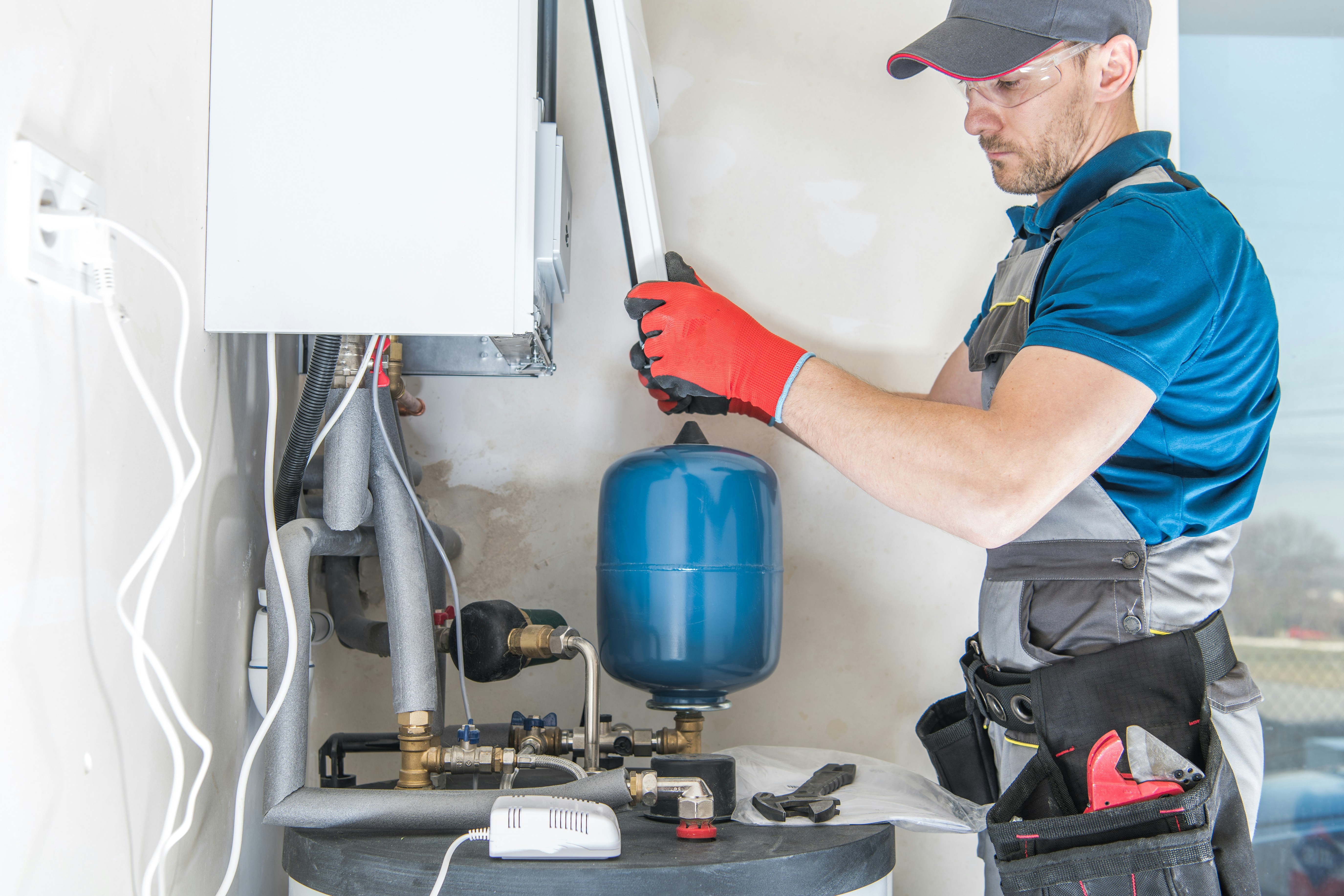
An AI voice agent for plumbing and electrical contractors handles incoming calls while crews are on jobs, office staff are busy, or the business is closed. It gives each caller an immediate response and gathers the information needed for the next step.
AVA works as a 24/7 dispatcher-style front desk. It answers calls, asks intake questions, applies contractor-defined routing rules, helps schedule work, and records call details for follow-up.
AVA for plumbers answers plumbing calls around the clock and helps schedule service jobs. It can capture the issue type, service location, preferred timing, and other details that a dispatcher needs.
For electrical contractors, AVA handles service and estimate calls. It collects job information, qualifies the caller’s needs, and helps schedule the appropriate next step.
The contractor controls the call process. The business defines coverage hours, intake questions, service areas, escalation contacts, scheduling rules, and handoff destinations. AVA then applies those instructions consistently.
This approach reduces phone interruptions for technicians and office teams. Field crews can continue their current work while AVA answers new callers and routes each request according to the contractor’s process.
A useful emergency call workflow follows a set sequence. AVA establishes why the person is calling, captures relevant details, classifies the request under the contractor’s rules, and sends it to the configured destination.
The workflow can run during business hours, after hours, or whenever staff cannot answer. Each stage needs clear rules so urgent calls reach the right person without treating automated intake as technical or emergency guidance.
Step 1 is to answer the call and identify the request. For plumbing calls, AVA can capture the issue type, service location, and preferred timing. For electrical calls, it can collect the described problem, location, urgency, and requested next step.
The initial questions should distinguish an emergency request from a routine repair, installation, service call, or estimate inquiry. They can also establish who is calling and where the request belongs.
Questions should remain short enough for a caller who may be under pressure. The call flow can ask for required information first, then gather scheduling preferences or other qualification details when appropriate.
Step 2 is to classify urgency under rules written by the contractor. Plumbing contractors can configure AVA to identify urgent issues such as burst pipes and severe leaks, then prioritize or flag those calls for faster handling.
Contractors should also define triggers for active leaks, flooding, suspected gas danger, sparking equipment, electrical hazards, or loss of power. These are configuration examples. Each business must decide which descriptions trigger escalation and where the call goes.
Call triage is intake and routing. It is not a licensed diagnosis, emergency instruction, or substitute for local emergency services. When a situation requires emergency assistance, AVA should direct the caller into the contractor’s configured emergency process or to appropriate emergency services as required.
Step 3 is to apply the next-action rule. Depending on the caller’s situation, the configured outcome may be escalation to an on-call contact, routing to a dispatcher, appointment booking, or creation of a follow-up request.
The contractor sets coverage hours, escalation thresholds, contact paths, and appointment availability. Any transfer or immediate dispatch path must be supported and tested in that contractor’s deployment.
Electrical intake follows the same operational structure. AVA gathers the issue, service location, and urgency, then helps schedule or route the request based on the defined rules.
Step 4 is to create a usable handoff record. AVA’s lead-qualification workflow can categorize a call and retain context such as who called, what the person needs, how urgent the request is, and where it should go next.
AVA integrates with plumbing scheduling software, dispatch systems, and CRM systems. The specific record fields and handoff behavior depend on the contractor’s connected systems and configuration.
Emergency triage and lead qualification support different decisions. Triage determines whether a call needs immediate routing. Qualification captures enough context to schedule, prioritize, or assign a service opportunity.
AVA can ask relevant follow-up questions based on the caller’s answers. Real-time categorization can place the request in a service, sales, support, emergency, or follow-up path defined by the contractor.
A plumbing intake flow should identify the caller’s requested service and the type of problem involved. It can then capture the service location, preferred timing, availability, and whether the address falls within the contractor’s service area.
Useful plumbing questions include:
The wording should match the contractor’s services. A company that handles repairs, installations, maintenance, and estimates may need a separate question path for each request type.
Qualification questions should gather operational facts without diagnosing the plumbing problem. A licensed technician remains responsible for technical conclusions and repair recommendations.
Electrical intake should first distinguish a service call from an estimate request. The remaining questions can capture the customer’s description, service location, urgency, and desired next step.
Useful electrical questions include:
The contractor should define which caller descriptions enter an urgent path. Estimate requests can follow a scheduling or sales process, while hazard reports can follow the configured escalation process.
AVA records what the caller reports. It should not diagnose electrical faults, confirm that a site is safe, or replace guidance from a licensed electrician or emergency responder.
A useful follow-up record tells the next team member who called, what work is requested, where service is needed, how urgent the request appears, and what should happen next. This reduces the need to repeat the full intake process during a callback.
AVA can also provide consistent answers from preset business information. An AI front desk can use approved details such as operating hours, location, and basic pricing information.
Basic pricing must come from information supplied by the contractor. AVA should not invent a quote, promise a final price, or estimate technical work when the approved business information does not support that answer.
After-hours handling depends on the type of request. Emergency calls enter the contractor’s escalation path, while routine requests can be recorded for booking, confirmation, or later follow-up.
AVA records plumbing service requests and customer details outside regular business hours. The office receives the context needed to continue the request when staff become available.
An after-hours emergency call should follow the contractor’s documented escalation rules. AVA captures the caller’s description and required contact details before sending the request to the configured destination.
The contractor must decide who is on call, which situations qualify for escalation, and what happens if the primary contact is unavailable. The process should also define whether the caller receives a transfer, a callback path, or another approved instruction.
AVA’s role remains limited to intake and routing. The on-call technician, dispatcher, or emergency responder makes safety and technical decisions.
AVA can capture appointment requests and customer details after hours for later follow-up and booking confirmation. It can also help turn inbound plumbing calls into scheduled service jobs by responding immediately and collecting service details.
Appointment booking depends on configured availability and the connected scheduling process. When direct booking is unavailable or unsuitable, AVA can create a follow-up request with the caller’s preferred timing.
The contractor should define which services can be booked automatically. Complex jobs, unusual locations, and work that requires prior review may need staff confirmation.
AVA can answer common questions about plumbing services, service areas, availability, operating hours, and general pricing information. Responses must come from the business information approved during configuration.
A caller asking whether the company serves a particular area may receive an immediate answer when the service-area rules cover that location. Questions about basic pricing can use preset information, while job-specific quotes should go to a qualified team member.
Requests that fall outside the approved information should become follow-up items. This keeps answers consistent and prevents unsupported commitments.
A human dispatcher should take over when the contractor’s rules require judgment or immediate coordination. Common handoff situations include:
The contractor should specify which terms trigger an alert and who receives the escalation. The plan also needs to define whether the next action is a supported transfer or callback, what AVA must capture first, and where the call goes if the primary contact is unavailable.
Escalation rules should account for coverage gaps. A secondary contact, dispatcher queue, or documented follow-up path can prevent a request from reaching an undefined destination.
AVA captures and routes the caller’s request. Licensed technicians decide how to diagnose and perform the work, emergency responders address public safety situations, and human dispatchers manage cases that require judgment.
Configuration should begin with the contractor’s existing call process. Document the information callers need, the questions staff ask, the situations that require escalation, and the system that receives each call record.
Treat implementation as an operational checklist. Test each route with realistic plumbing and electrical scenarios before using it for live calls.
Provide accurate business hours, location details, service areas, appointment availability, and approved basic pricing information. Assign an owner who will update these details when business policies change.
Document when AVA answers calls and how coverage changes outside regular hours. Include on-call schedules, primary contacts, backup contacts, and the required information for an escalation.
AVA is designed to manage high call volume for plumbing businesses. Its call handling can support small plumbing companies and larger teams as demand grows, provided that the routing plan accounts for available staff and coverage.
Build separate call flows for each trade and service type. Plumbing emergencies should have a different path from routine repairs or installation requests. Electrical hazard reports need a different path from estimate inquiries.
AVA supports industry-specific and customizable call flows. Each flow should define:
Use language that customers commonly use when describing problems. Review alternate descriptions for the same service so the call flow can categorize requests consistently.
Choose the operational system that should receive each type of request. AVA integrates with scheduling software, dispatch systems, and CRM systems used by plumbing businesses.
Document whether each call should create an appointment, dispatch request, lead, or follow-up item. Confirm which information the destination requires, including caller identity, requested service, location, urgency, and preferred timing.
Keep integration plans specific to the contractor’s systems. Confirm supported connections, field requirements, access permissions, and expected handoff behavior before launch.
Review call records after the workflow begins handling live requests. Look for missing information, unclear classifications, repeated caller questions, and requests that reach the wrong destination.
Update intake questions when dispatchers regularly need to call back for the same detail. Adjust routing rules when common service types require a different team, schedule, or follow-up process.
Include technicians and dispatchers in the review. They can identify which details help them prepare for a job and which questions create unnecessary friction for callers.
Can AVA dispatch an after-hours plumbing or electrical emergency?
AVA can capture an after-hours emergency request and send it through the contractor’s configured escalation path. The contractor must confirm whether its deployment supports the required transfer, dispatcher route, or on-call callback process.
How does AVA decide whether a call is an emergency or a routine service request?
AVA applies rules configured by the contractor and categorizes the caller’s answers. The business defines the hazard terms, urgency thresholds, and fallback action for descriptions that remain unclear.
Can AVA qualify leads before a contractor calls the customer back?
Yes. AVA can collect the caller’s identity, requested work, location, urgency, timing preferences, and intended next step before a callback. The contractor decides which details are required for each service category.
Can AVA book plumbing and electrical appointments?
AVA can schedule plumbing jobs and help schedule electrical service or estimate requests. Booking depends on the contractor’s appointment rules, availability, and connected scheduling process.
Can AVA support multilingual callers?
Yes. AVA can support multiple languages, helping plumbing and electrical contractors communicate with a broader customer base. Contractors should still define escalation procedures for calls that need a licensed technician or dispatcher who speaks the caller's language.
Can AVA connect with a contractor CRM, scheduling platform, or dispatch system?
AVA integrates with plumbing scheduling software, dispatch systems, and CRM systems. Contractors should verify compatibility and required handoff behavior for their current platforms before implementation.
Does AVA send call summaries or follow-up texts?
AVA can record call details and appointment requests for follow-up. Contractors should confirm how those records are delivered and whether their deployment supports follow-up texts, because texting functionality is not established here.
Build a Call Process That Keeps Work Moving
Map your emergency rules, intake questions, escalation contacts, appointment availability, and CRM or dispatch destinations before implementing an ai voice agent for plumbing and electrical contractors. Test the workflow with urgent, routine, estimate, and general inquiry scenarios.
AVA is intended to keep field teams focused on active work while incoming calls are answered, qualified, and routed. Evaluate AVA against your current call flow, safety boundaries, after-hours coverage, and operational systems before choosing how it should handle live customer calls.
See exactly how our AI Voice Agent can be customized for your business. Book a free, no-obligation walkthrough today.