

.webp)
[ Get a Demo ]
Ready To See AVA in Action?
See exactly how our AI Voice Agent can be customized for your business. Book a free, no-obligation walkthrough today.
Pick your industry and we'll send you the playbook: real use cases in production and the ROI numbers (no-shows recovered, after-hours leads captured, hours saved).

Drop your details and AVA will call your phone within a minute, with a script tailored to your industry. You'll hear exactly how she'd handle one of your customers.
Most businesses don’t realize they have a missed-call problem. Not because calls aren’t coming in, but because no one is tracking what happens after the phone stops ringing.
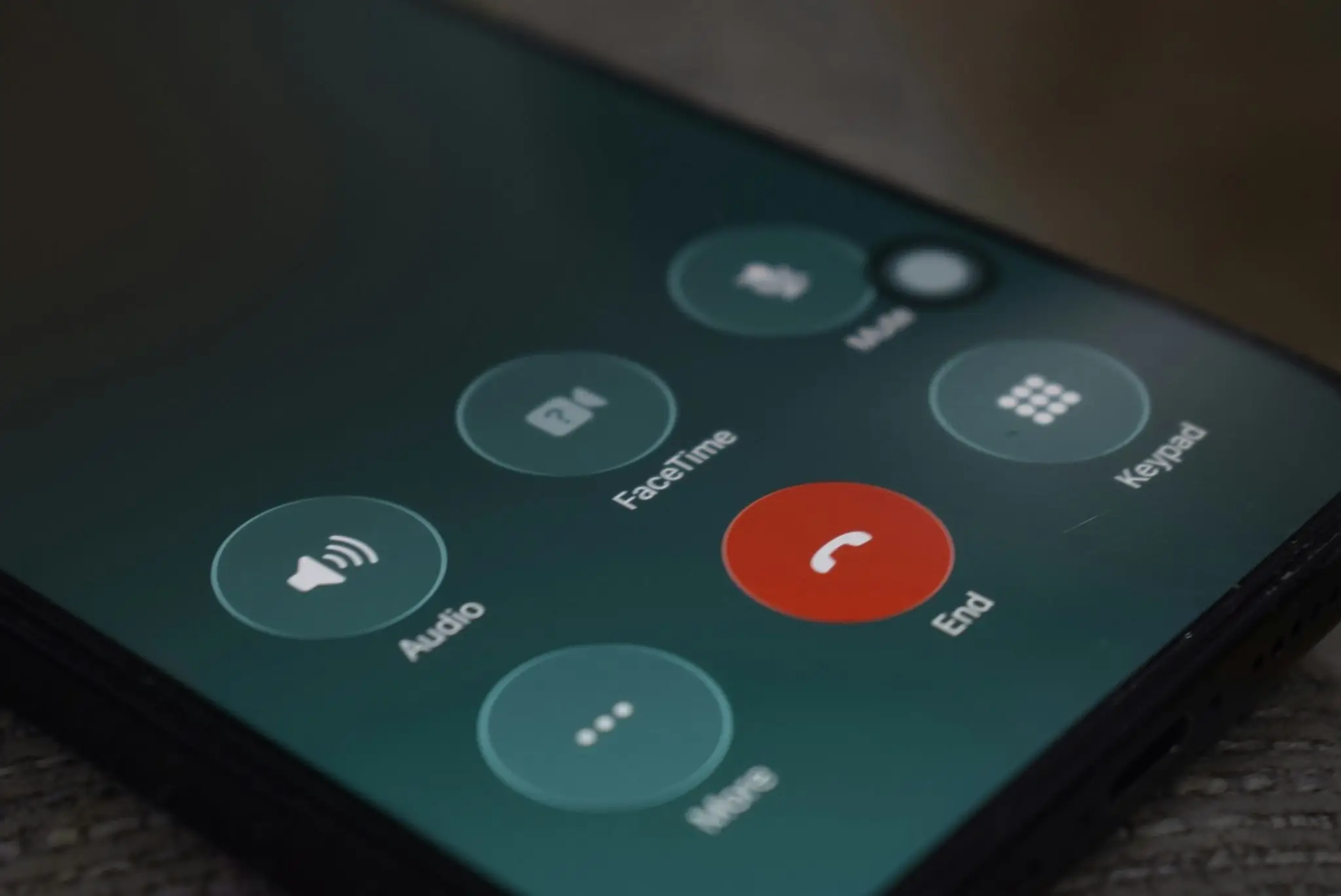
A customer calls. No answer. They hang up. And that’s it.
No complaint. No follow-up email. No second chance.
This silent drop-off is exactly why missed calls business loss has become one of the most underestimated revenue leaks today. It doesn’t show up on balance sheets, but it shows up in declining conversions, slower growth, and lost trust.
Missed calls don’t feel dramatic. There’s no system alert screaming that money just walked away. But the damage compounds quietly.
Every unanswered call represents intent. Someone took time to dial, wait, and expect a response. When that expectation isn’t met, most callers don’t try again.
Research around missed call statistics consistently points to the same pattern:
People move on faster than businesses expect.
That’s how lost leads due to missed calls turn into permanent losses, not just missed opportunities.
From a customer’s perspective, a missed call feels personal.
It signals:
Even when none of that is true.
For service-driven businesses, especially those relying on phone conversations as the first touchpoint, perception matters just as much as performance.
And perception is shaped in seconds.
Most businesses assume missed calls happen because there are too many calls. In reality, the problem is coverage, not volume.
Phones ring:
Human teams can’t be everywhere at once. That limitation isn’t a failure; it’s a reality.
But relying solely on human availability is what creates gaps in responsiveness.
This is where AI-driven call handling changes the rules entirely.
Instead of treating phone coverage as a staffing challenge, businesses are shifting toward systems designed to respond instantly, every time.
A modern AI-powered call answering solution doesn’t wait for someone to be free. It answers immediately, listens carefully, and moves the conversation forward.
AI doesn’t put callers on hold or ask them to try again later. Calls are handled the moment they come in, which alone eliminates a massive portion of missed-call losses.
Instead of a dropped call, the system understands why the person is calling, whether it’s a question, a booking request, or a sales inquiry, and routes it properly.
Understanding how this process works becomes clearer when you look at how an AI front desk operates behind the scenes, where call handling is structured around intent rather than availability.
Some industries feel the pain of missed calls more sharply than others, not because they’re worse at answering phones, but because every call carries higher intent.
Take automotive sales.
When someone calls a dealership, they’re often ready to act. Pricing questions, availability checks, and test drive requests aren’t casual conversations. Missing those calls means missing buyers.
That’s why businesses increasingly rely on AI call agents built for car dealerships, where every incoming call is treated as a potential sale, not just a message to return later.
It’s not about replacing people. It’s about covering what people can’t.
Human receptionists:
AI systems:
This difference becomes especially clear when comparing AI voice agents and traditional receptionists, where availability, not capability, is often the deciding factor.
Sales loss is obvious. But missed calls also impact:
When callers can’t reach a business easily, they assume support will be just as difficult later.
Consistent call handling sends a different message:
“We’re accessible. We’re responsive. We’re prepared.”
That message alone influences buying decisions.
Many businesses still rely on voicemail as a fallback. But voicemail doesn’t solve missed calls; it just delays disappointment.
Most callers:
AI systems replace voicemail with conversation. Instead of asking callers to explain themselves to a recording, they engage immediately and keep the interaction alive.
As businesses grow, call volume grows with them. But scaling phone coverage traditionally means hiring more staff, managing schedules, and increasing costs.
AI removes that trade-off.
With an intelligent AI-based call answering service, businesses scale responsiveness without scaling overhead. Calls are managed consistently, regardless of volume or timing.
Missed calls aren’t just a support issue. They’re a strategic blind spot.
They affect:
And because missed calls leave no trail, they’re easy to ignore—until growth stalls.
At one time, missed calls were unavoidable. Today, they’re optional.
Businesses that continue losing leads to unanswered phones aren’t failing because they don’t care; they’re failing because their systems haven’t caught up to modern expectations.
And in a market where attention is short and options are endless, answering the phone every time might be the most important advantage a business can have.
See exactly how our AI Voice Agent can be customized for your business. Book a free, no-obligation walkthrough today.